2026-08-18 · 5 min read
How Much Protein Do You Really Need for Weight Loss? A Simple Guide
If you've ever looked into weight loss, you've probably been bombarded with advice about protein. Protein shakes, protein bars, high-protein everything. It can feel overwhelming, like you need a science degree to figure it out.
Let's quiet the noise. This guide is for you if you want to understand protein's role in weight loss without the complicated jargon or extreme diets. We'll talk about feeling full, not just building muscle.
Why Does Everyone Talk About Protein for Weight Loss?
The main reason is simple: satiety. Foods rich in protein help you feel fuller for longer compared to fats or carbs. When you feel satisfied, you're less likely to overeat, which makes staying in a calorie deficit feel much easier.
Think of it this way: a chicken salad will likely keep you full for more hours than a sugary cereal with the same number of calories. This feeling of fullness is your best friend when you're gently reducing your overall intake.
Protein also helps your body hold on to muscle while you lose fat. More muscle means a slightly higher metabolism, which is a nice bonus.
So, How Many Grams Is Enough?
Let's skip the complicated calculators. A good starting point is to include a source of protein about the size of your palm with each main meal. Think a piece of fish, a chicken breast, or a generous portion of tofu.
If you want a number to aim for, a common guideline for weight loss is 1.2 to 1.6 grams of protein per kilogram of your goal weight (or about 0.5 to 0.7 grams per pound). This isn't a strict rule, but a helpful range.
For example, if your goal weight is 70 kg (about 154 lbs), you'd aim for roughly 84-112 grams of protein per day. At first, this number might seem big, but let's see how it breaks down into real food.
What Does 100 Grams of Protein Look Like on a Plate?
Hitting a goal like 100 grams is more achievable than you might think. It’s not about eating steak all day. It’s about making smart choices at each meal.
Here's a sample day: A cup of Greek yogurt for breakfast (20g), a grilled chicken breast with your lunch salad (30g), a handful of almonds as a snack (6g), and a fillet of salmon with lentil stew for dinner (25g + 15g). That’s already 96 grams.
The key is variety. Eggs, cottage cheese, beans, fish, poultry, and even some whole grains contribute to your daily total.
How to Track Protein Without It Becoming a Full-Time Job
You don't need to track forever, but doing it for a week can be an eye-opener. It helps you learn which of your favorite foods are good protein sources and where you might be falling short.
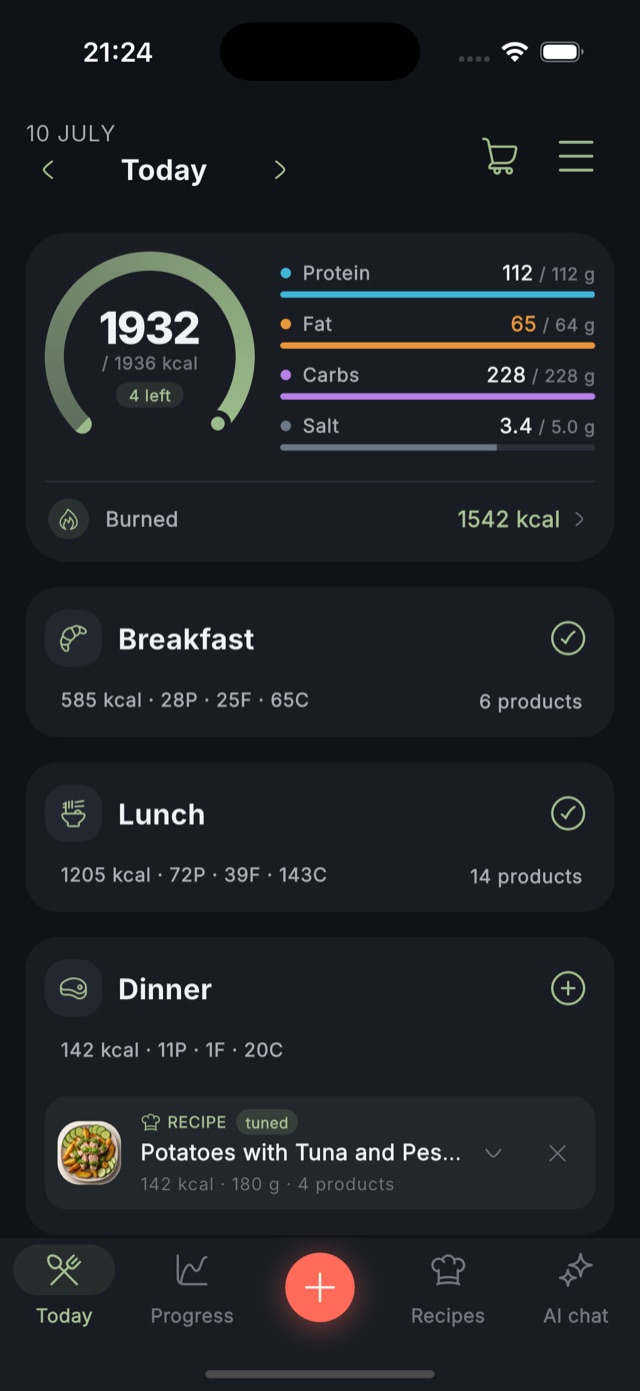
This is where a tool can be really helpful. In the Zru & Hudnu app, when you log a meal, it automatically calculates the protein along with the calories. You can see your progress for the day at a glance.
The visual rings for protein, fats, and carbs make it easy to see how you're doing without getting lost in numbers. It’s about awareness, not obsession.
What If I'm Not Hitting My Goal? Simple Ways to Add More Protein
First of all, don't stress. A 'perfect' day is not the goal. Consistency over time is what matters. If you're consistently a bit low, here are some easy ways to nudge your intake up.
Try simple swaps: choose Greek yogurt over regular, have a glass of milk instead of juice, or add a scoop of unflavored protein powder to your morning oatmeal or smoothie. For snacks, consider a hard-boiled egg, a cheese stick, or edamame.
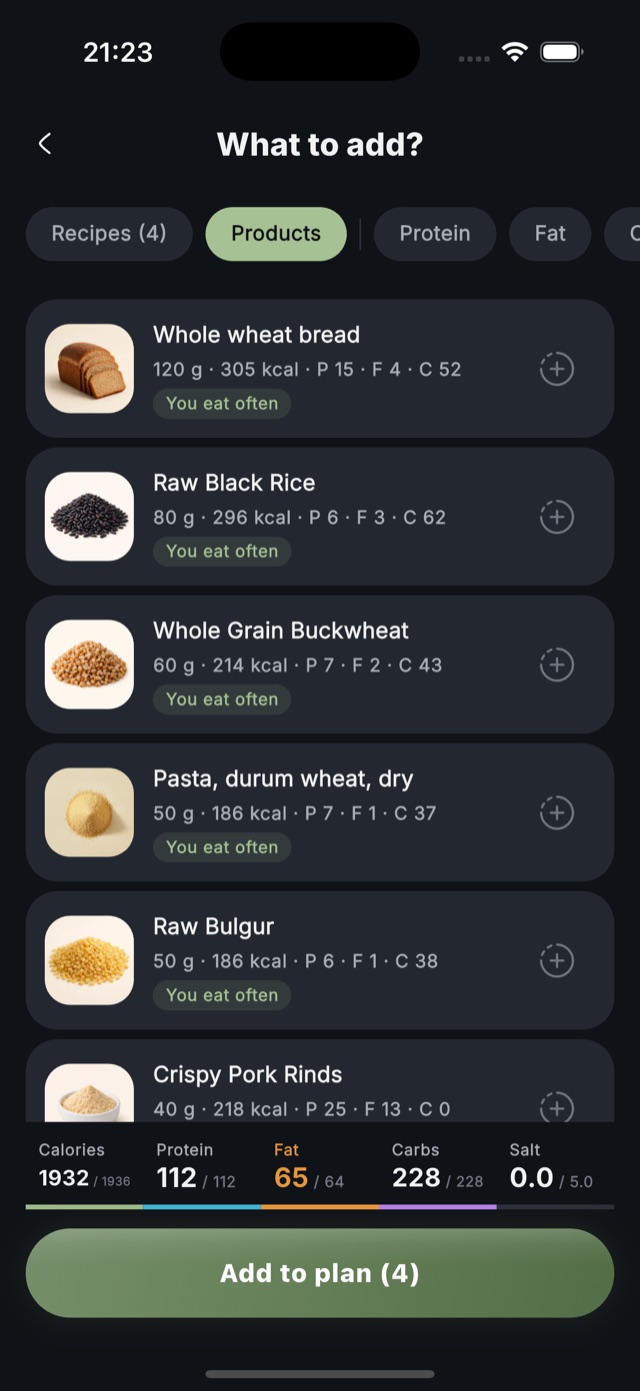
If you're staring at your dinner plate wondering what to add, Zru & Hudnu has a feature called 'Top Up Day'. It suggests specific foods that fit your remaining calories and help you meet your protein goal. It takes the guesswork out of that final meal.
Ready to find your balance?
Zru & Hudnu can help you gently track your protein and calories, taking the guesswork out of your meals. Download it for free and start learning about your eating habits today.