2026-08-23 · 5 min read
How to Read Food Labels for Weight Loss: A Calm 5-Step Guide
Walking down a grocery store aisle can feel like a pop quiz. Nutrition labels are packed with numbers, percentages, and scientific-sounding terms. It's easy to feel overwhelmed and just grab what you always do.
The good news is, you don't need a degree in nutrition to understand them. For weight loss, only a few key pieces of information truly matter. Let's break it down into a calm, simple process that takes seconds.
Step 1: Start with the Serving Size
This is the most important and most overlooked part of any label. All the numbers that follow: calories, protein, fat: refer to a single serving, not the entire package.
For example, that small bag of crisps might list 150 calories, but the "Servings Per Container" line says "2". If you eat the whole bag, you're actually consuming 300 calories. It's a common trap.
Always look here first. It gives context to everything else on the label.
Step 2: Find the Calories
For weight loss, calories are your primary focus. This number is usually in a large, bold font, making it easy to spot. It tells you how much energy you'll get from one serving.
Remember to connect this number back to the serving size. Ask yourself: "How many calories am I *actually* going to eat?" If you plan to have two servings, double the calories.
Think of it like a budget. Knowing the calorie "price" of a food helps you decide if it fits into your daily plan without guesswork.
Step 3: Look for Protein
Protein is your best friend when you're aiming for weight loss. It helps you feel full and satisfied, which reduces the chances of overeating later. It also helps preserve muscle mass as you lose fat.
Here's a simple rule of thumb: when comparing two similar products, like yogurts or protein bars, choose the one with more protein for a similar amount of calories.
This small choice, repeated over time, can make a big difference in managing hunger and reaching your goals more comfortably.
Step 4: A Quick Glance at Sugars and Fats (Don't Obsess)
You don't need to analyze every single number, which can lead to stress. However, a quick look at sugars and fats can be helpful.
Pay attention to "Added Sugars." These are sugars that aren't naturally occurring in the food. Generally, the lower this number, the better for managing energy levels and cravings.
Fats are calorie-dense, so it's good to be aware of the total amount. Don't be afraid of fats, as they are essential, but just note how they contribute to the total calorie count. Avoid trans fats completely.
Step 5: Put It All Together (or Let a Scanner Do It)
So, your quick mental checklist in the store is: 1. What's the serving size? 2. How many calories in that serving? 3. How much protein does it have? 4. Is it high in added sugar? That’s it.
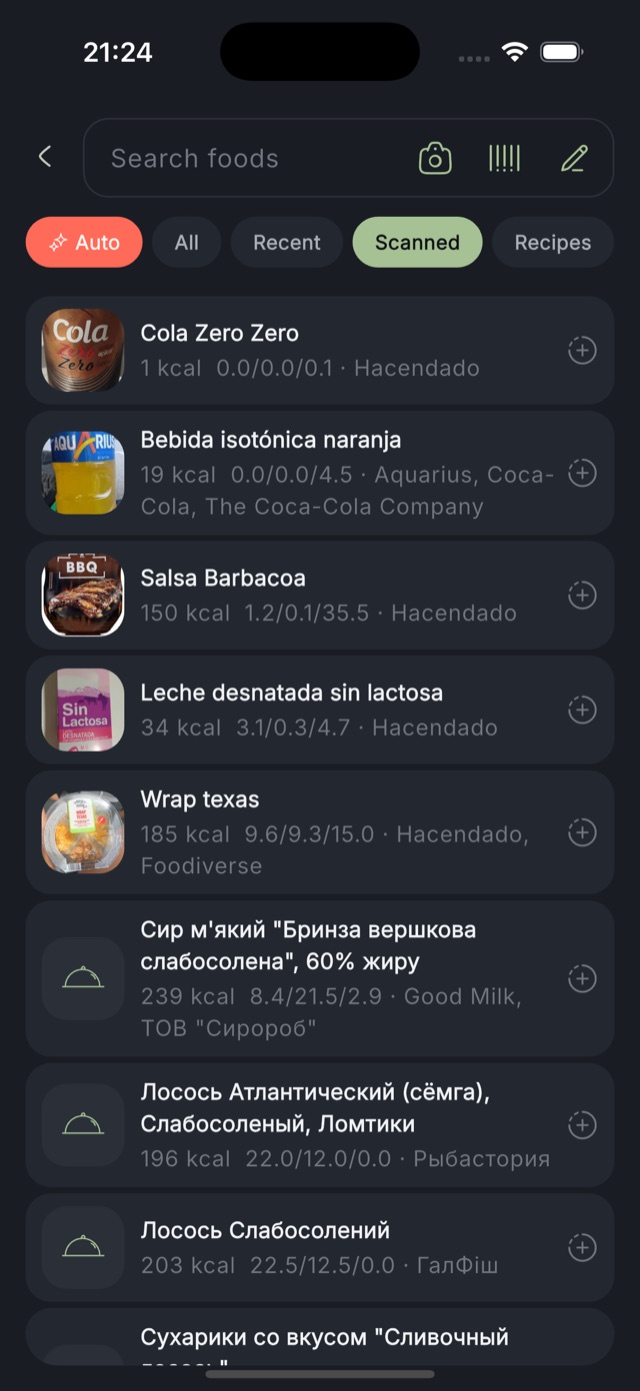
This whole process can become even simpler. Instead of doing mental math for every item, you can use a tool that does it for you, like the barcode scanner in the Zru & Hudnu app.
Just point your phone's camera at the barcode, and the app instantly pulls up all the nutrition information and lets you log the exact amount you ate. No more squinting at tiny print in the middle of the aisle.
Tired of the label math?
Let Zru & Hudnu do the work. Scan barcodes to instantly log foods and see how they fit your goals. Start for free and make grocery shopping simple again.