2026-08-31 · 5 min read
Why Am I Not Losing Weight Even Though I'm Not Eating?
“Why am I not losing weight even though I'm not eating anything?” If you've ever asked yourself this, you're not alone. It's one of the most confusing and frustrating feelings on a weight loss journey: you restrict yourself, feel hungry, but the number on the scale stays the same.
Let's get this straight: you're not broken, and your body isn't working against you on purpose. It's actually trying to protect you. In this article, we'll calmly look at why eating too little can halt your progress and why the real solution is to fuel your body correctly, not starve it.
Why extreme restriction backfires
Imagine your body is a smart, energy-efficient home. If it senses a drastic drop in its energy supply (calories), it doesn't just keep running as usual. It switches to a power-saving mode to survive what it perceives as a famine.
This is called metabolic adaptation. Your body learns to function on fewer calories, slowing down your metabolism. That means you burn less energy doing everything: from breathing and sleeping to walking. This survival mechanism is why the initial rapid weight loss on a crash diet often grinds to a halt.
Are you losing fat or muscle?
When your body is desperate for fuel and isn't getting enough from food, especially protein, it starts looking for other sources. Unfortunately, muscle tissue is an easy target. The body breaks it down for energy.
This is a problem for two reasons. First, you lose muscle tone and strength. Second, muscle is metabolically active: it burns more calories at rest than fat does. By losing muscle, you're further slowing down your metabolism, making it even harder to lose weight in the long run.
How stress and hunger affect your weight
Constantly feeling hungry and deprived is a huge source of stress for your body. This physical stress causes an increase in the hormone cortisol.
High cortisol levels can be a real obstacle to weight loss. It can increase your appetite for sugary and fatty foods, and it also encourages your body to store fat, particularly around your midsection. It's a vicious cycle: you restrict, get stressed, store more fat, and feel like restricting even more.
So, how much should you actually eat?
The solution isn't to starve yourself, but to find a sustainable, moderate calorie deficit. This means eating just enough less than your body burns to encourage fat loss, without triggering the famine alarm.
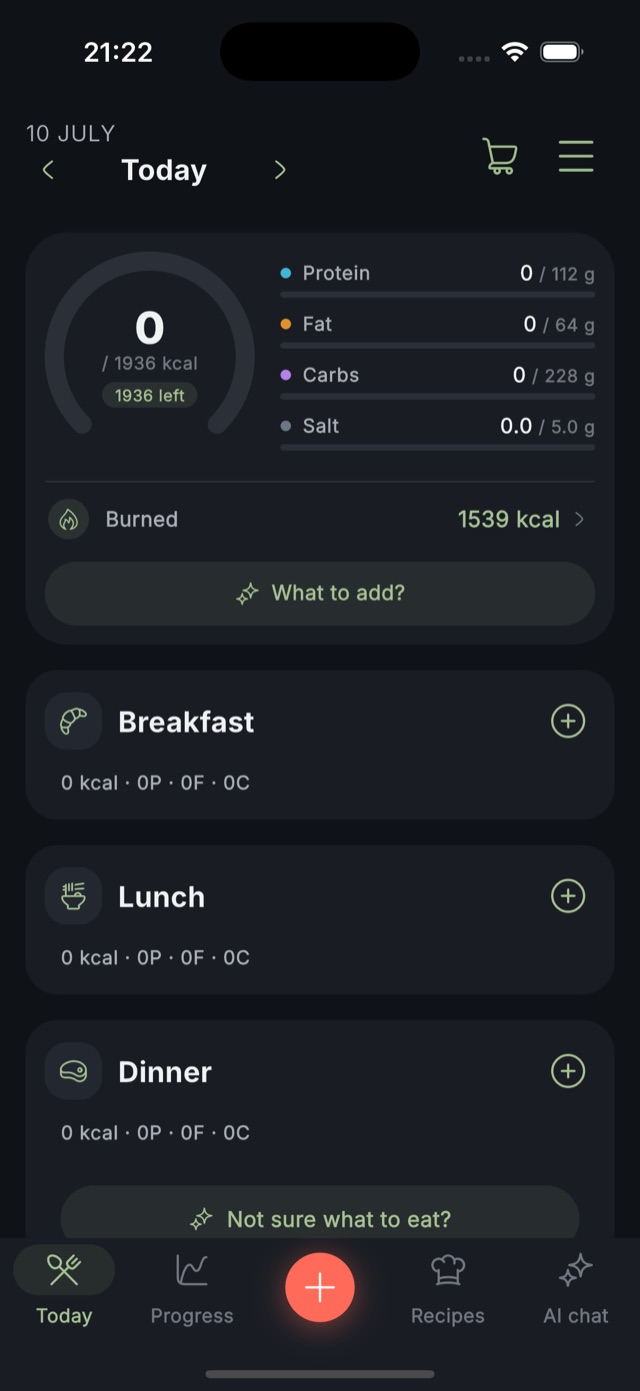
A small and consistent deficit of about 300-500 calories per day is often a good starting point. This is where a tool can remove the guesswork. For example, Zru & Hudnu calculates a safe daily calorie target for you based on your age, weight, height, and activity level, giving you a clear goal to aim for.
This way, you provide your body with enough energy to function well while gently prompting it to use its fat stores for fuel. No panic, no metabolic crash.
What kind of food helps the most?
The quality of your calories matters just as much as the quantity. To support your body during weight loss, focus on nutrient-dense foods.
Prioritize protein (like chicken, fish, beans, or tofu) at every meal to help preserve muscle mass. Fill up on fiber from vegetables, fruits, and whole grains to feel full and satisfied. Don't be afraid of healthy fats from sources like avocados, nuts, and olive oil, as they are crucial for hormone health.
What if it's not about the food?
If you're confident you're in a moderate deficit and eating well, but the scale hasn't budged for several weeks, other factors might be at play. Consider your sleep quality, stress levels, and hydration. Sometimes we also overlook hidden calories in drinks, sauces, or cooking oils.
And if things still feel stuck, it might be worth checking in with a doctor. Certain medical conditions or hormonal imbalances can affect weight loss. This article is a guide, not a medical consultation, so a professional opinion is always the best choice for your health.
Stop guessing, start understanding
Zru & Hudnu helps you find a healthy calorie target and see what you're really eating. Start tracking for free and give your body the fuel it needs to let go of fat.