2026-08-16 · 5 min read
Hit a Weight Loss Plateau? 5 Gentle Ways to Get the Scale Moving Again
You're doing everything right: tracking your calories, moving more, choosing healthier foods. For weeks, the scale was your friend, showing steady progress. And then, suddenly, it stops. The number just stares back at you, day after day. It's frustrating, and it's easy to feel like you've failed.
But you haven't. This is a weight loss plateau, and it's a completely normal, even predictable, part of the process. Your body is simply adapting to the new you. Let's calmly look at why this happens and what gentle steps you can take to get things moving again.
First, what exactly is a weight loss plateau?
A plateau isn't just one or two days of your weight staying the same. It's when your weight remains stable for several weeks despite continuing the habits that previously led to weight loss.
The main reason is simple: a lighter body needs fewer calories to function. The calorie deficit you started with might now be your new maintenance level. Your body has become more efficient.
Other factors can contribute too, like water retention masking fat loss, or tiny, unintentional inaccuracies in your food logging that add up over time. It's not your fault, it's just physics and biology at work.
1. Gently adjust your calorie goal
Since your body now needs fewer calories, the most logical first step is to recalculate your target. This doesn't mean drastically slashing your intake.
Often, a small reduction of 100-200 calories per day is enough to re-establish a gentle deficit and nudge the scale downwards. The key is to make an adjustment that still feels sustainable and doesn't leave you feeling hungry.
You don't need to do complex math. As you update your weight in an app like Zru & Hudnu, it can automatically adjust your daily calorie and macronutrient targets to reflect your new needs.
2. Focus on protein and fiber
Sometimes, the solution isn't eating less, but eating smarter. Protein and fiber are champions of satiety, meaning they help you feel fuller for longer.
By slightly increasing your intake of these nutrients, you might find you're naturally eating less without feeling deprived. Think about adding a portion of chicken breast, lentils, beans, or Greek yogurt to your meals.
This shift in focus from pure calories to the composition of your meals can make a huge difference in managing hunger and staying on track.
3. Increase your NEAT (Non-Exercise Activity)
When you think about burning more calories, you might immediately picture intense gym sessions. But there's a powerful, often overlooked tool: Non-Exercise Activity Thermogenesis, or NEAT.
This is the energy you burn from all the movements you do that aren't formal exercise. Fidgeting, walking to the printer, taking the stairs, even standing instead of sitting all contribute.
Try to weave more of this gentle activity into your day. Park a little further from the store, pace around while on a phone call, or have a 5-minute stretch break every hour. These small bits of movement really add up.
4. Check in with your water and sleep
Two foundational habits that are easy to neglect are hydration and rest. Dehydration can sometimes be mistaken for hunger, and your body might retain water if it's not getting enough, which can mask fat loss on the scale.
Sleep is just as critical. A lack of quality sleep can disrupt the hormones that regulate your appetite, ghrelin and leptin. This can lead to increased cravings for high-calorie, low-nutrient foods.
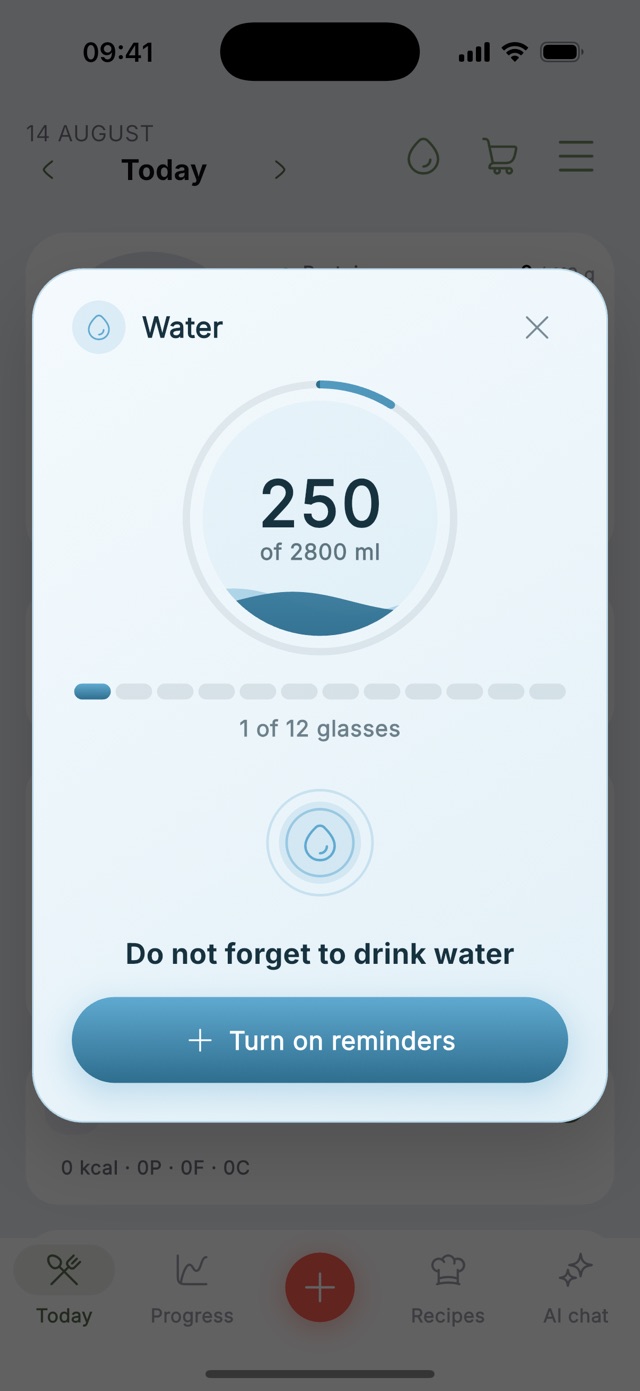
Making sure you're consistently drinking enough water and aiming for 7-8 hours of sleep can have a surprising impact. You can use the water tracker in Zru & Hudnu to set a goal and get gentle reminders.
5. Consider a planned diet break
If you've been in a calorie deficit for a long time, both your body and your mind might be feeling fatigued. A diet break can be a strategic way to reset.
This isn't a free-for-all. It's a planned period, usually 1-2 weeks, where you intentionally increase your calories to your new maintenance level. This gives your metabolism and your willpower a well-deserved rest.
After the break, you can return to your gentle deficit feeling refreshed and more motivated. Many people find that this is exactly what they needed to break through the plateau.
Need a little help navigating the journey?
Zru & Hudnu makes it easy to track your food, monitor your progress, and adjust your goals as you go. Start for free and get back on track with confidence.