2026-09-08 · 5 min read
How Much Protein Per Kilogram of Body Weight Do You Actually Need?
Protein per kilogram of body weight is one of those numbers people argue about endlessly online. Some say 2 grams, some say 3, some say it doesn't matter. The truth is more boring and more useful: there is a reasonable range, and your goal shifts where inside that range you should land.
This article gives you the actual numbers, a quick way to calculate your own target, and a few food examples so the grams stop feeling abstract.
Why protein intake is calculated per kilogram, not as a flat number
A flat "eat 100 grams of protein a day" rule makes no sense for a 50 kg person and a 100 kg person at the same time. Your muscles, organs, and repair processes scale with your body size, so the per-kilogram approach gives a target that actually fits you.
The unit you will see most often is g/kg: grams of protein per kilogram of body weight. For example, 1.6 g/kg for a 70 kg person means 112 grams of protein per day. That is the kind of concrete number you can actually track.
The baseline: how many grams of protein per kilogram for a sedentary adult
The minimum to avoid muscle loss for a sedentary adult is around 0.8 g/kg. At 70 kg that is about 56 grams, which sounds like a lot until you realize a chicken breast and two eggs already cover it. This floor is not a goal, it is a floor.
If you are trying to lose weight, the floor is not enough. When you eat less than your body burns, it looks for energy everywhere, including muscle. More protein signals the body to protect lean mass. The practical range for weight loss is 1.6 to 2.2 g/kg of body weight.
Protein per kg for weight loss: the numbers that actually help
For fat loss with muscle preservation, most people do well somewhere between 1.6 and 2.0 g/kg. If you are already fairly lean and training hard, going up to 2.2 g/kg is reasonable. Above that, the extra protein does not hurt, but it also does not add much benefit and it fills your calorie budget fast.
Quick example: you weigh 75 kg and want to lose fat. Your target is 75 x 1.8 = 135 grams of protein per day. That is a useful, specific number to aim for, not a vague "eat more protein."
One more thing: if you use your actual body weight and you carry a lot of extra fat, the number can come out very high. In that case, using your target body weight or a lean body mass estimate gives a more realistic target. A rough rule: use your goal weight if the difference is more than 20 kg.
What 1 gram of protein looks like in real food
Abstract grams become real when you map them to food. Here are rough values for common protein sources, cooked weight unless noted: 100 g chicken breast is about 31 g protein. One large egg is about 6 g. 100 g canned tuna is about 25 g. 100 g Greek yogurt (full fat) is about 9 g. 100 g cooked lentils is about 9 g. 30 g hard cheese is about 8 g.
Getting to 130 to 150 grams in a day is doable without protein powder. A typical day might look like: two eggs at breakfast (12 g), a 150 g chicken breast at lunch (46 g), 150 g Greek yogurt as a snack (13 g), and 200 g salmon at dinner (40 g). That is about 111 grams, and adding a handful of cottage cheese or some legumes fills the gap.
Protein powder is just a convenient food, not a requirement. If whole food sources cover your target, there is no need to add supplements.
What if you don't hit your protein target every day?
Missing your protein goal on a busy day is not a crisis. Muscle is not built or lost in 24 hours. What matters is the average over the week. If you hit your target five days out of seven, you are doing well.
The more useful habit is to anchor protein at every meal rather than trying to catch up at dinner. When each meal has a protein source, you rarely end the day with a 60 gram gap to fill.
Tracking protein without turning it into a second job
Counting grams of protein per kilogram sounds tedious, but it gets easier fast. After a week of logging, most people have a mental model of their usual meals and only need to log new foods carefully.
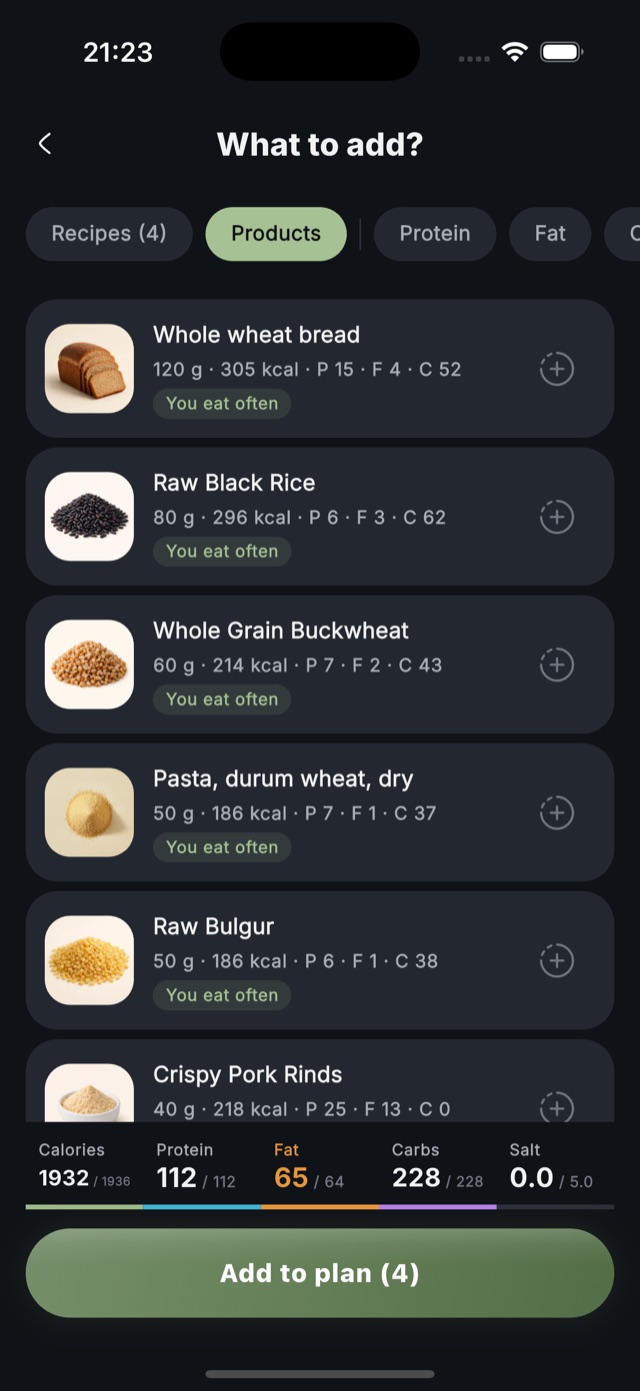
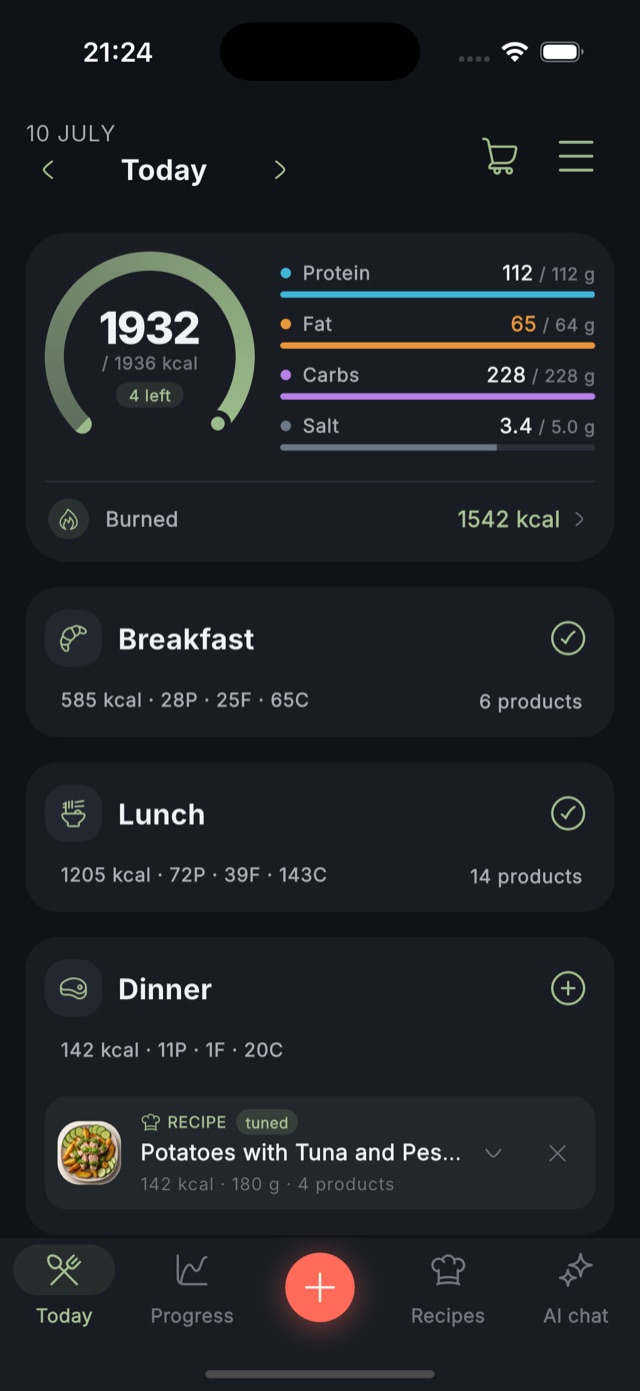
In Zru & Hudnu you can scan a barcode, photograph a meal, or just say what you ate out loud. The app shows your protein progress alongside calories so you can see at a glance whether you are on track or need a protein-rich snack before the day is over.
The goal is not perfection, it is enough data to make small adjustments. Knowing you are at 80 grams by 3 pm is actionable. Guessing is not.
See your protein in real time
Zru & Hudnu tracks your grams of protein per kilogram goal alongside your calories, so you always know where you stand. Free to start, no pressure.