2026-08-26 · 5 min read
Scale Went Up Overnight? A Calm Guide to Salt, Water Retention, and Your Real Weight
It’s a familiar story: you tracked your calories perfectly, stayed in your deficit, maybe even got a workout in. You step on the scale the next morning, expecting a reward, and see the number has gone up. It’s frustrating and can make you want to give up.
Before you question everything, take a deep breath. There’s a very high chance you didn’t gain any fat. The most likely culprit is water retention, often caused by a perfectly normal and tasty part of our diet: salt.
How Sodium Affects Your Body's Water Balance
Think of sodium as a magnet for water. When you eat more salt than usual, your body holds onto extra water to dilute the sodium concentration in your bloodstream and maintain a healthy balance.
This extra fluid has weight. It’s not fat, it’s not muscle, it’s just H2O temporarily hanging out in your tissues. Your body is simply doing its job to keep things stable. This effect is temporary and will resolve on its own as your kidneys flush out the excess sodium and water.
The Difference Between Water Weight and Fat
Let's do some simple math. To gain one pound of actual fat, you need to eat approximately 3,500 calories above your maintenance level. To gain a kilogram of fat, that's roughly a 7,500-calorie surplus.
Did you eat an entire extra pizza plus a tub of ice cream on top of your regular meals? Probably not. A single salty meal, however, can easily cause your body to retain 1-2 pounds (or 0.5-1 kg) of water overnight. It's a physiological response, not a reflection of your progress.
Where Is All This Salt Hiding?
Sometimes the source of salt is obvious: a bag of chips, soy sauce with your sushi, or pickles. But often, sodium is a hidden ingredient in foods you might not suspect.
Things like bread, cottage cheese, canned soups, deli meats, and restaurant sauces can pack a surprising amount of sodium. You don't have to avoid these foods, but being aware of them helps you connect the dots when you see a sudden jump on the scale.
Your Calm Action Plan for When the Scale Jumps
First, don't panic. Seriously. This is a normal and temporary fluctuation. The worst thing you can do is over-restrict the next day out of frustration.
Instead, focus on a few simple things. Drink plenty of water: it sounds counterintuitive, but it helps your body flush out the excess sodium. Eat potassium-rich foods like bananas, spinach, or potatoes, as potassium helps counteract sodium's effects.
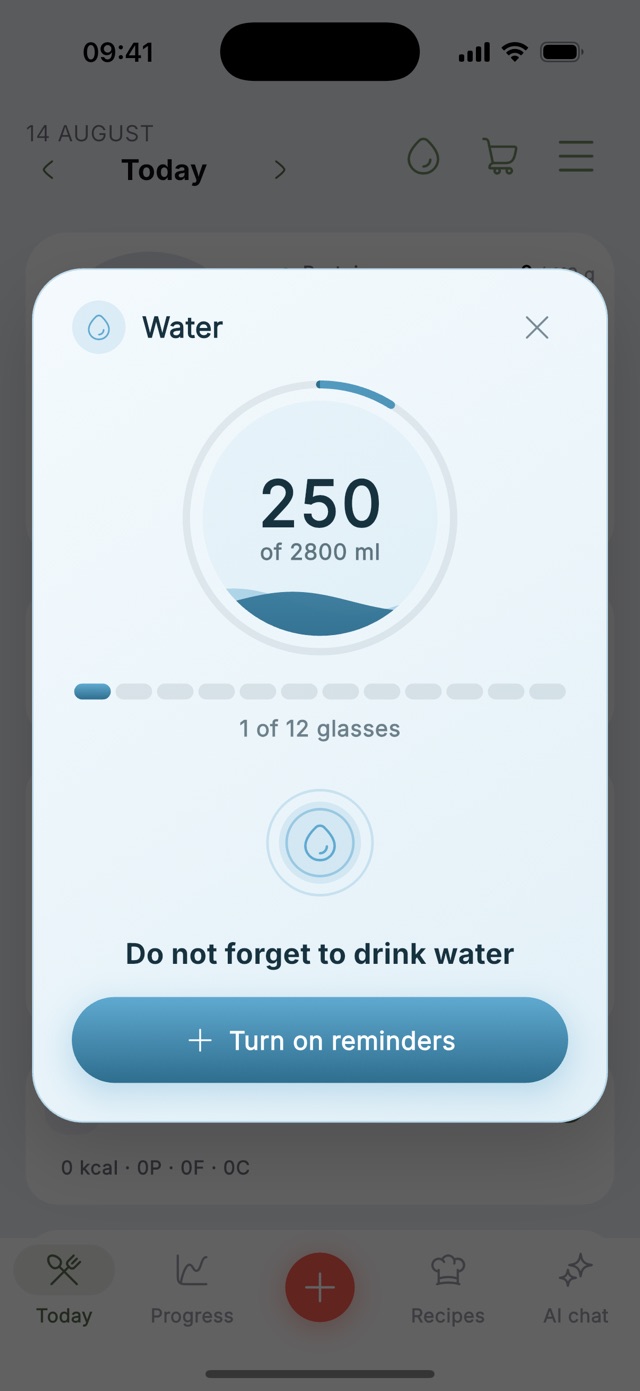
Mostly, just get back to your normal routine. Your weight will likely return to its previous trend within a day or two. Using a tool like the water tracker in Zru & Hudnu can help you stay on top of your hydration, which is key to managing these fluctuations.
How to Manage Sodium Without Obsessing
The goal isn't to eliminate salt. Sodium is an essential mineral your body needs to function. The key is awareness, not deprivation.
Simple strategies can make a big difference: cook at home more often, flavor your food with herbs and spices instead of just salt, rinse canned beans and vegetables, and read labels to make informed choices when you can.
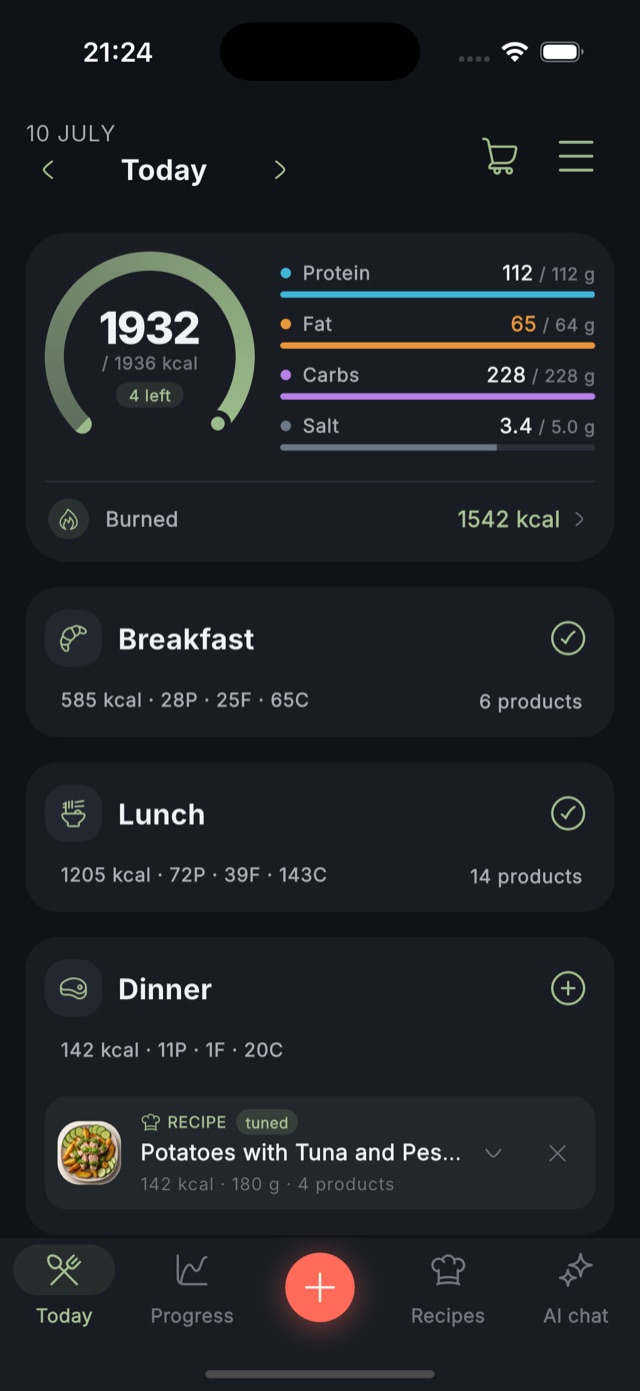
Tracking your intake for a while can be an eye-opener. Zru & Hudnu tracks sodium along with your macros, giving you a clear picture without judgment. This data helps you understand your body's patterns, so a jump on the scale becomes information, not a reason to be discouraged.
Ready to see the full picture?
Zru & Hudnu helps you track not just calories, but also water and sodium, so you can understand your body's signals without the stress. Get started for free.