2026-08-27 · 5 min read
A Calm Guide to Food Cravings: What They Mean and How to Manage Them
That sudden, intense desire for a specific food: a warm cookie, salty chips, or a slice of pizza. We all know the feeling. Food cravings are a universal human experience, but they often come with a side of guilt or confusion.
The common advice is to fight them, to use willpower to resist. But what if we tried a different approach? Let's try to understand what these signals mean and learn to work with our bodies, not against them.
Is It Real Hunger or Something Else?
First, it's useful to distinguish between physical hunger and a craving. Physical hunger is your body's need for energy. It builds gradually, can be satisfied by a variety of foods, and disappears after you eat.
A craving is different. It’s a desire for a very specific food, taste, or texture. It can appear suddenly, even when you're not physically hungry. Recognizing this difference is the first step: you're not just 'hungry', you're experiencing a specific signal.
When Your Body Asks for Specifics
Sometimes, cravings have a physical root. Your body might be sending a coded message. A classic example is a craving for salty foods, which can sometimes point to dehydration or an electrolyte imbalance.
A desire for sweets might be linked to low blood sugar or simply a need for quick energy, especially if you haven't eaten in a while or didn't get enough sleep. A balanced diet with enough protein, fats, and complex carbs helps keep these signals in check, but it's not a magic cure.
Food, Feelings, and Habits
More often than not, our cravings are tied to emotions and habits. We learn to associate certain foods with comfort, celebration, or stress relief. Had a tough day? A pint of ice cream might feel like a hug.
Habits play a huge role too. Do you always crave popcorn at the movies or a cookie with your afternoon coffee? Your brain has created a strong connection. The goal isn't to break all these connections, but to become aware of them.
Your Toolkit: Pause, Ask, and Choose
So, a craving hits. Instead of immediately giving in or fighting it, try this simple three-step process. It's a moment of mindfulness that puts you back in control.
First, just pause. Take a deep breath. Acknowledge the craving without judgment. Second, ask yourself: 'What might I really need right now?' Am I thirsty? Tired? Bored? Stressed? Maybe a glass of water or a short walk is what my body is truly asking for.
Finally, choose consciously. Based on your answer, you can decide what to do. Maybe you'll eat the cookie, but you'll do it mindfully and enjoy every bite. Or maybe you'll realize you just needed a break from work, and the craving fades.
So, Can I Just Eat the Chocolate?
Yes, absolutely. Forbidding foods is a sure way to make you want them even more. This often leads to a cycle of restriction, intense craving, and then overeating, followed by guilt. It's a stressful way to live.
A calmer approach is to incorporate the foods you love into your overall plan. If you want a piece of chocolate, have one. The key is to do it intentionally, not automatically. When you account for it, it's no longer a 'cheat', it's just part of your day.
This is where tracking can be a helpful, non-judgmental tool. In Zru & Hudnu, you can log that piece of chocolate and see how it fits into your daily calorie and macro goals. It removes the guilt and shows you that a balanced diet has room for pleasure.
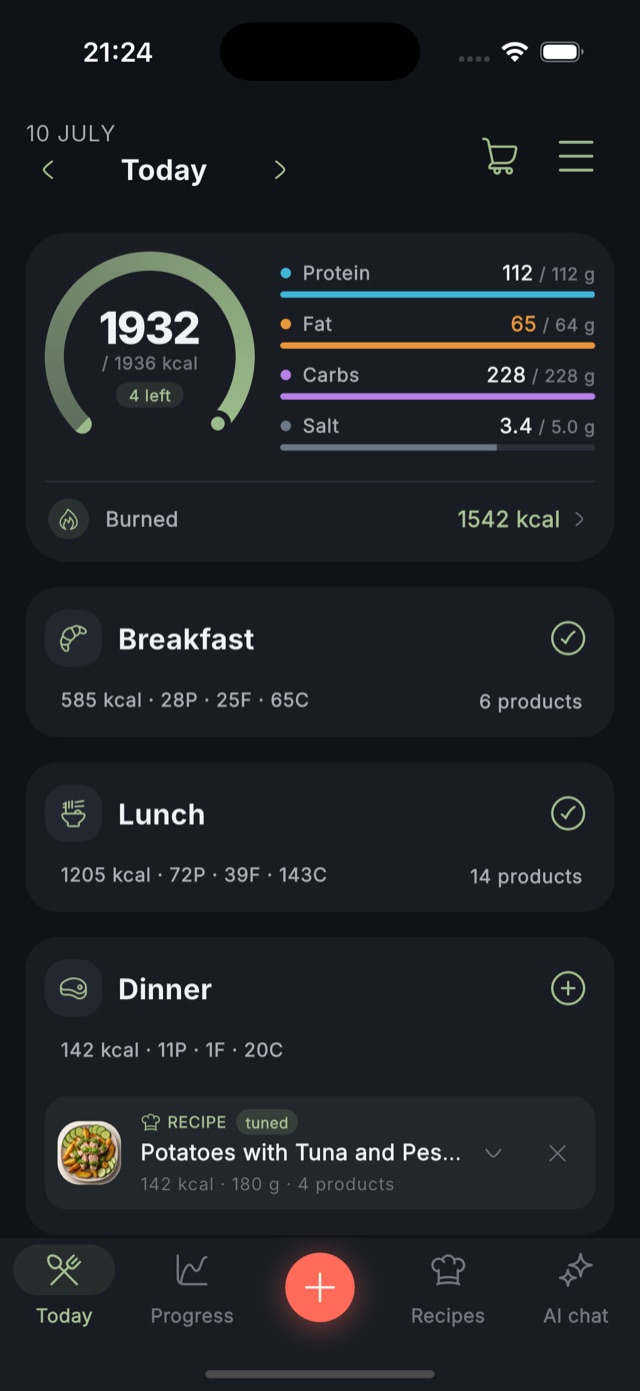
Get to Know Your Eating Habits
Zru & Hudnu helps you see the full picture of your nutrition without judgment. Track your food, understand your patterns, and build a healthier relationship with eating. Start for free.