2026-08-29 · 5 min read
What Is a Calorie Deficit? A Calm Guide to Losing Weight Without Hunger
The term 'calorie deficit' sounds a bit clinical, like something from a textbook. But it's actually the simple, unavoidable foundation of any weight loss journey, no matter what diet is trending this week.
Let's calmly break down what it means, how to create one without feeling constantly hungry, and how to make it a gentle background process rather than a daily struggle.
What Is a Calorie Deficit, in Simple Terms?
Think of calories as energy currency. Your body spends this energy on everything: breathing, walking, thinking, even sleeping. You earn this currency by eating and drinking.
A calorie deficit is simply when you spend more energy than you earn over a period of time. Your body, needing to find the extra energy, turns to its stored reserves: body fat. That's it. No magic, just simple energy balance.
How to Create a Deficit That's Gentle and Sustainable
The key to success isn't a huge, drastic deficit. That's a recipe for hunger, fatigue, and quitting. Instead, aim for a small, consistent deficit: about 10-20% below your maintenance needs.
For most people, this means eating about 300-500 calories less than you burn. This gentle approach helps preserve muscle mass, keeps your energy levels stable, and makes the process feel manageable. It's a marathon, not a sprint.
First Step: Find Your Maintenance Calories
Before you can subtract, you need to know your starting number. This is your 'maintenance' level: the amount of calories you need to maintain your current weight.
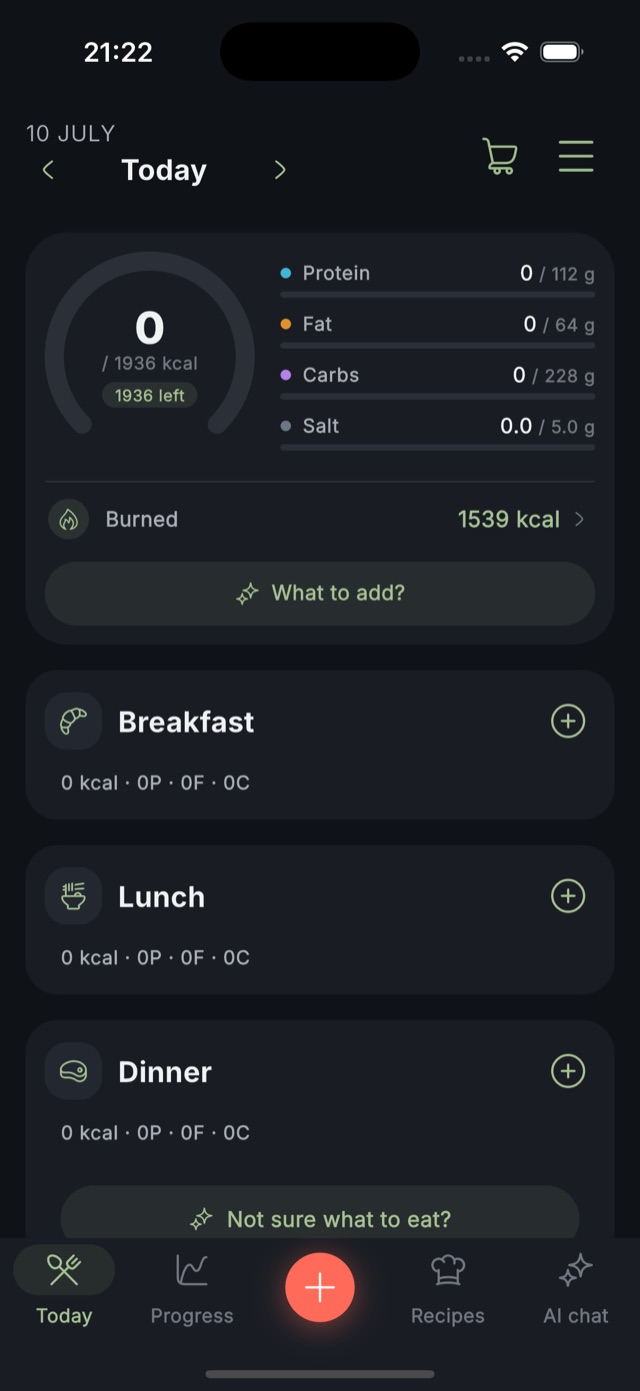
Online calculators can give you a rough estimate, but a more accurate way is to see what you're actually consuming. An app like Zru & Hudnu calculates a personalized starting point for you based on your age, weight, height, and activity level.
From there, it helps you set a gentle deficit goal, taking the guesswork out of the equation.
Smart Food Choices: How to Eat More for Fewer Calories
A deficit doesn't have to mean tiny portions. The trick is to focus on foods with lower calorie density. These are typically foods high in water, fiber, and protein.
For example, a large bowl of salad with grilled chicken can have the same calories as a small chocolate bar, but it will keep you full for hours. Prioritizing lean proteins, vegetables, and whole grains makes your calorie budget feel much more generous.
What to Do on Days You Feel Extra Hungry
Some days you're just hungrier than others. That's completely normal. Your goal should be a weekly average deficit, not a perfect score every single day.
If you're genuinely hungry, it's better to eat a smart snack than to white-knuckle it until your next meal. Think about a protein-rich option like Greek yogurt or a handful of nuts.
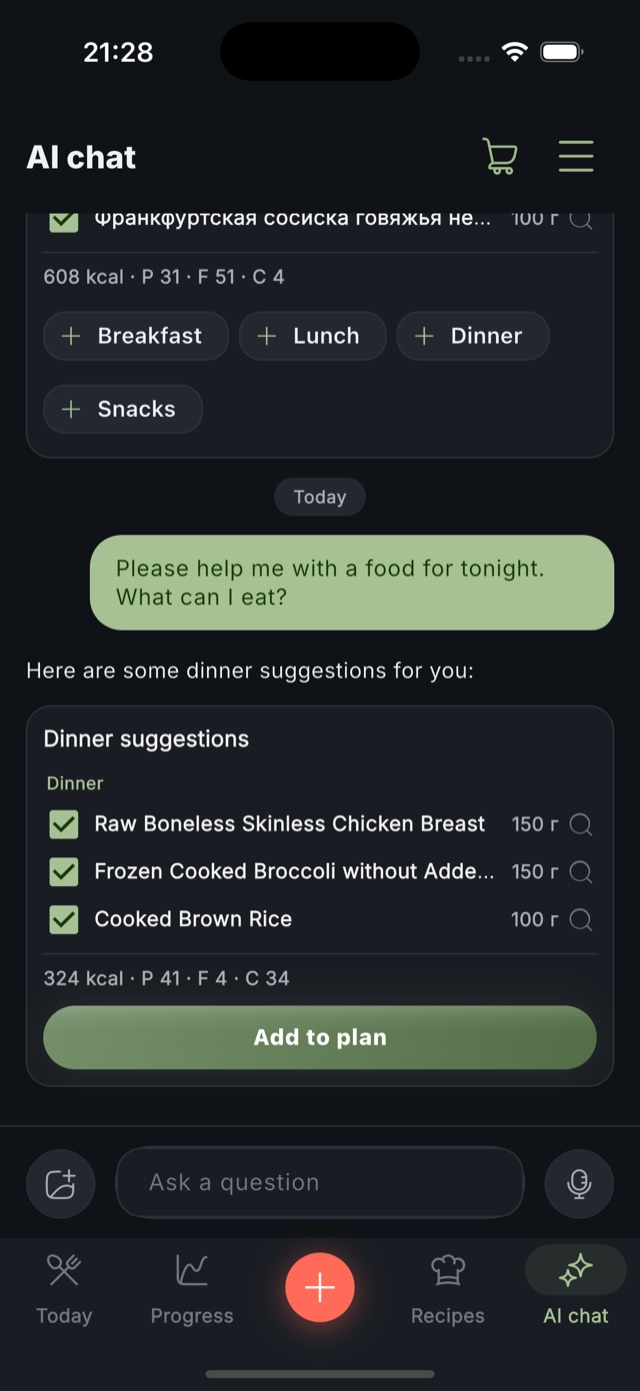
If you're unsure what to eat, the AI chat in Zru & Hudnu can give you ideas for snacks that fit perfectly into your remaining calorie budget.
Beyond Calories: Why Food Quality Still Matters
Technically, you could lose weight eating only cookies as long as you're in a deficit. But you'd feel awful. The deficit is what drives weight loss, but the quality of your food drives your health and well-being.
Focus on a balanced intake of protein, healthy fats, and complex carbohydrates. This ensures you're not just losing weight, but also providing your body with the nutrients it needs to function well, maintain energy, and feel good.
Ready to create your calm deficit?
Zru & Hudnu will calculate your personal calorie goal and help you track your food easily. Start your journey for free and find your comfortable path to weight loss.