2026-08-28 · 5 min read
Should You Eat Back Your Exercise Calories? A Calm Guide for Weight Loss
You finish a great workout, and your fitness tracker proudly displays: 500 calories burned. The first thought for many is, 'Great, now I can eat an extra 500 calories!' This is the common dilemma of 'eating back' your exercise calories.
But is this the right approach for weight loss? The answer is a bit more nuanced than a simple yes or no. Let's calmly walk through it and find a stress-free strategy that works.
Why Your Fitness Tracker Isn't a Great Accountant
Let's start with the tool that gives us these numbers: the fitness tracker. While it's great for tracking trends like your daily steps or sleep patterns, it's not very accurate at calculating calories burned.
These devices use general formulas based on your heart rate, movement, age, and weight. They don't know your individual metabolism, fitness level, body composition, or how efficiently your body uses energy. Studies show they can be off by 20% to 90%.
So, that 500-calorie workout might have actually burned only 350 calories. Relying on this number as a precise fact is the first step toward confusion.
The 'Eating Back' Trap for Weight Loss
If your goal is to lose weight, you need to be in a calorie deficit. This means you consume fewer calories than your body burns over time.
When you eat back the calories your tracker *thinks* you burned, you risk wiping out your deficit. If the tracker's estimate was too high, you might even end up eating more calories than you burned for the day.
This can lead to stalled weight loss and a lot of frustration. It also fosters a transactional mindset: 'I exercise to earn food.' A healthier perspective is to see exercise as something you do for your strength, mood, and overall health, not as a way to pay for a brownie.
A Calmer Strategy: Fuel Your Body, Not Your Watch
So, what's a better way? We suggest setting a consistent daily calorie target for weight loss and sticking to it, regardless of your workout.
This target should be based on your baseline activity level, without exercise. Think of your workouts as a bonus that accelerates your progress and improves your health. It simplifies everything: you have one clear number to aim for each day.
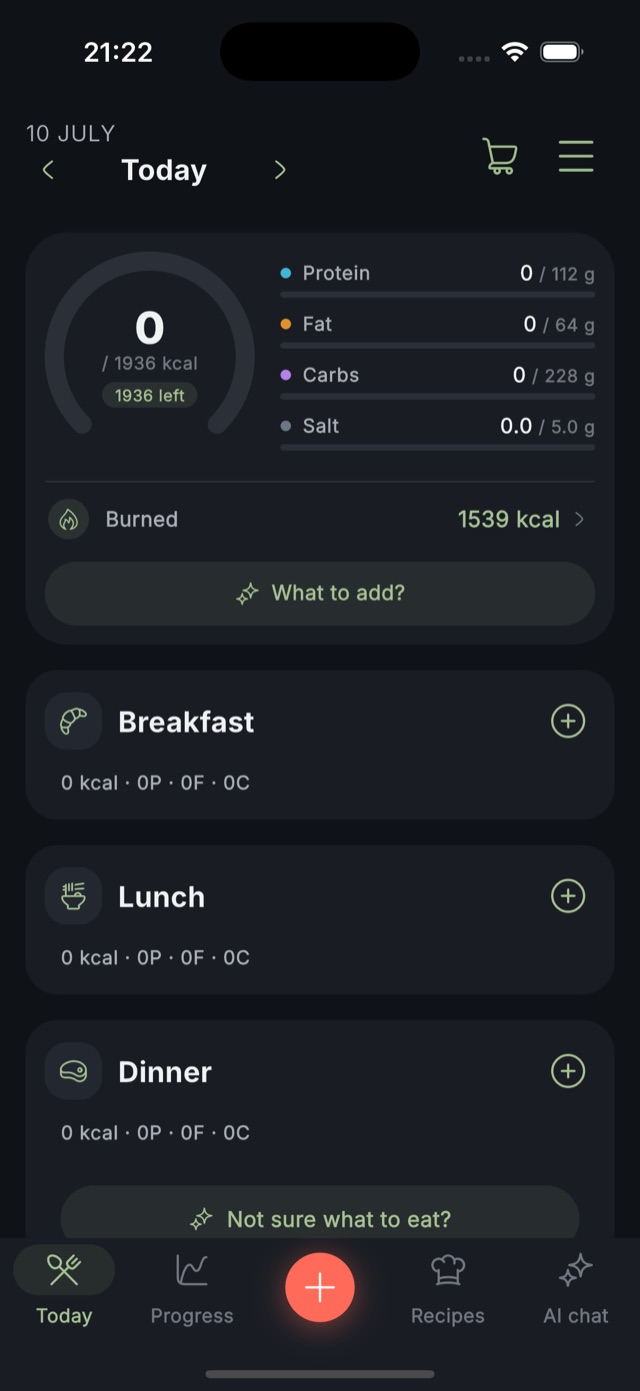
This is where a tool like Zru & Hudnu comes in handy. It helps you calculate a sustainable daily goal. You just focus on logging your meals, and the app keeps track of the numbers, so you don't have to guess.
What If I'm Genuinely Hungry After a Tough Workout?
This is an important exception. The goal is not to starve yourself. If you've had a particularly long or intense session, like a 10k run or a heavy lifting day, your body will need extra fuel for recovery. You should absolutely listen to it.
Instead of eating back the full, likely inflated, number from your watch, have a sensible, protein-rich snack. Aim for something in the 150-250 calorie range.
A small Greek yogurt, a piece of fruit with a handful of almonds, or a small protein shake are great options. They will satisfy your hunger and aid muscle repair without derailing your progress.
Finding Your Balance: Consistency Over Perfection
Ultimately, weight loss is about your average intake over weeks and months, not about a single perfect day. The most sustainable approach is one that doesn't cause you stress.
Set a fixed calorie goal. On most days, stick to it. On days with very hard workouts where you feel extra hungry, add a small, smart snack. On rest days, your fixed goal will be perfectly fine.
This way, you create a simple, consistent habit. You're fueling your body based on its actual signals of hunger, not the questionable math of a gadget on your wrist.
Ready to stop the guesswork?
Zru & Hudnu helps you set a clear calorie goal and track your food easily. Let the app handle the numbers, so you can focus on feeling good. Start for free.