In this article⌄
- How Artificial Sweeteners Are Supposed to Work
- What Recent Research on Gut Health and Metabolism Actually Shows
- The Cravings Problem: Why Sweet Taste Still Costs You Something
- Ultra-Processed Foods, Blood Sugar, and the Hidden Context
- How to Support Your Gut Microbiome Through Food
- So Should You Use Sweeteners or Not?
Artificial sweeteners feel like a smart trade: the sweetness you want, none of the calories you don't. That logic makes sense on paper, and it's why sweeteners ended up in everything from diet sodas to protein bars to "healthy" yogurts. But the latest research on artificial sweeteners, gut health, and metabolism has made the picture a lot more complicated.
This isn't a scare piece. Sweeteners are not poison, and using one in your coffee is not going to ruin your health. What's worth understanding is that "zero calories" and "neutral effect on your body" are not the same thing, and the difference matters if you're trying to manage your weight long-term.
In short
- Sweeteners save calories in the moment but may increase cravings for sweet foods over time.
- Some sweeteners appear to alter gut bacteria in ways that affect blood sugar regulation.
- Ultra-processed foods that contain sweeteners often come with other ingredients that complicate weight loss.
- Reading ingredient labels is more useful than trusting "diet" or "sugar-free" on the front of a package.
- If sweeteners help you stay in a calorie deficit without feeling deprived, they can still be a reasonable tool.
How Artificial Sweeteners Are Supposed to Work
The basic idea is simple: replace sugar with something that tastes sweet but provides little to no energy. You get the pleasure signal without the caloric cost. For someone managing a calorie deficit, that sounds like a win.
And in a narrow, controlled sense, it can be. If you swap a 150-calorie sugary drink for a zero-calorie version and change nothing else, you consume fewer calories. Studies that measure this specific swap do tend to show a modest benefit for weight management.
Zero calories on the label doesn't mean zero effect on your body.
The problem is that real life isn't a controlled study. People don't just swap one drink and hold everything else constant. They make dozens of food decisions a day, and sweeteners may quietly influence several of them.
What Recent Research on Gut Health and Metabolism Actually Shows
This is where things get genuinely interesting. Several recent studies have looked at how common sweeteners, including saccharin, sucralose, and aspartame, interact with the gut microbiome. The short version: some sweeteners appear to shift the composition of gut bacteria in ways that affect how the body processes glucose.
This doesn't mean one diet soda will derail your metabolism. The effects seen in research are generally modest and vary a lot between individuals. Some people's gut bacteria seem relatively unbothered by sweeteners; others show more noticeable changes. Your baseline microbiome, diet, and genetics all play a role.
What's more consistent across studies is the effect on insulin response and appetite signaling. Your brain and gut expect that something sweet means calories are coming. When they don't arrive, the system can misfire, potentially increasing hunger or reducing the satisfaction you feel after eating.

Log a day in Zru & Hudnu and see where your calories really go
Try it freeThe Cravings Problem: Why Sweet Taste Still Costs You Something
One of the more consistent findings in sweetener research is the effect on sweet preference. Regularly consuming intensely sweet things, whether from sugar or sweeteners, seems to keep your threshold for sweetness high. Fruit starts to taste bland. Unsweetened oatmeal feels like punishment.
This matters because strong cravings for sweet food are one of the most common reasons people find calorie management hard. If your diet is full of very sweet things, even calorie-free ones, you're training your palate to expect that level of sweetness at every meal.

Ultra-Processed Foods, Blood Sugar, and the Hidden Context
Sweeteners rarely travel alone. They show up in ultra-processed foods alongside refined starches, industrial seed oils, flavor enhancers, and emulsifiers. When researchers look at the effect of ultra-processed foods on blood sugar levels, the picture gets complicated quickly because it's hard to separate the sweetener's effect from everything else in the package.
A diet heavy in ultra-processed foods tends to be lower in fiber, protein, and micronutrients, and higher in ingredients that cause rapid blood sugar swings. Those swings drive hunger. So even if the sweetener itself is calorie-free, the food it's riding in can still push your appetite up.
Ultra-processed "diet" snack
- Zero-calorie sweetener
- Refined starch base
- Low fiber, low protein
- Engineered to be hyperpalatable
- Likely to increase appetite
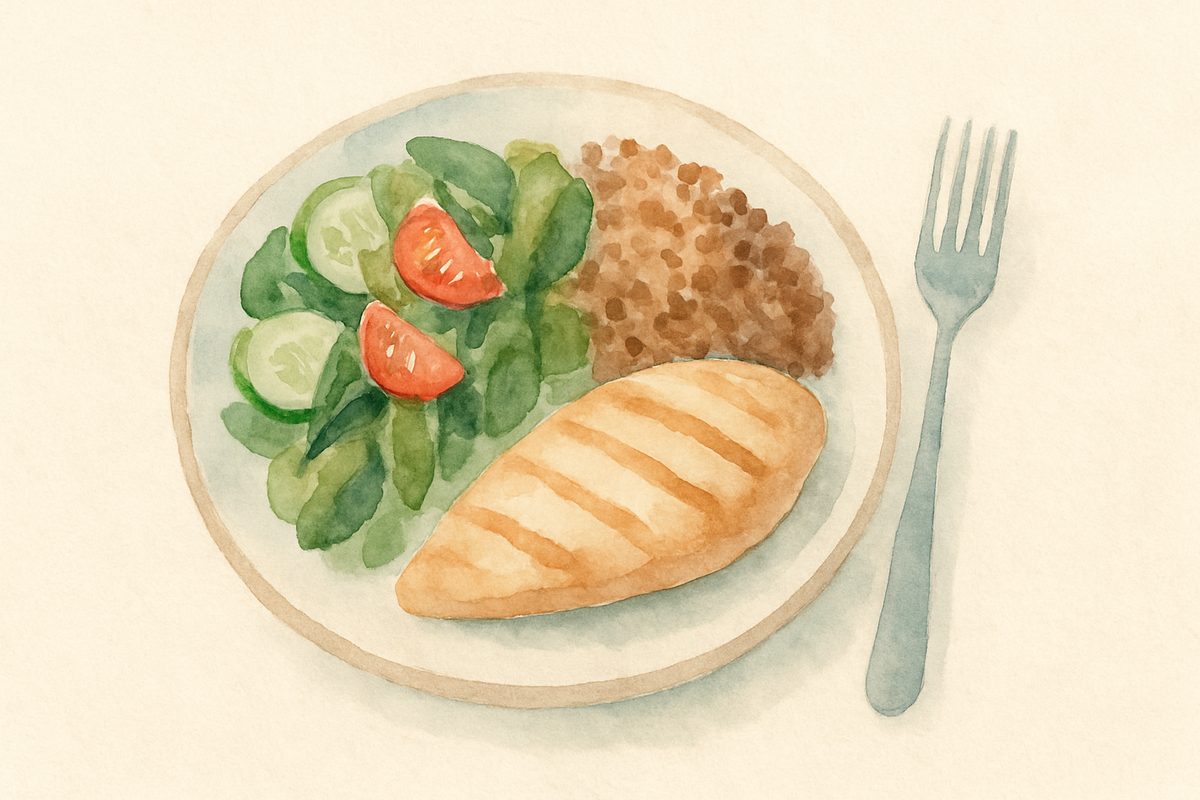
Whole food with natural sweetness
- Natural sugars in small amounts
- Fiber slows absorption
- Comes with vitamins and minerals
- More satisfying per calorie
- Less likely to trigger overeating
This doesn't mean every product with a sweetener is a trap. It means the label "diet" on the front of a package tells you almost nothing useful about whether that food will help or hinder your goals.
How to Support Your Gut Microbiome Through Food
If the gut microbiome research on sweeteners has you thinking about your own gut health, that's actually a productive direction. The most reliable way to improve your gut microbiome through diet doesn't involve cutting out sweeteners entirely. It involves adding more of the things gut bacteria genuinely thrive on.
- Vegetables and legumes: the fiber in them feeds beneficial bacteria directly
- Fermented foods like plain yogurt, kefir, and sauerkraut: they introduce live bacteria
- A variety of plant foods: diversity in your diet supports diversity in your microbiome
- Adequate hydration: water helps everything move through your digestive system properly
- Limiting ultra-processed foods: not because they're evil, but because they crowd out more useful options
So Should You Use Sweeteners or Not?
The honest answer is: it depends on how you're using them and what the rest of your diet looks like. If sweeteners help you stay in a calorie deficit without feeling miserable, and your overall diet is reasonably varied and whole-food-based, they're probably not doing meaningful harm.
If sweeteners are propping up a diet full of ultra-processed foods, or if you notice that sweet things in general make your appetite harder to manage, it's worth experimenting with reducing them and seeing how you feel.
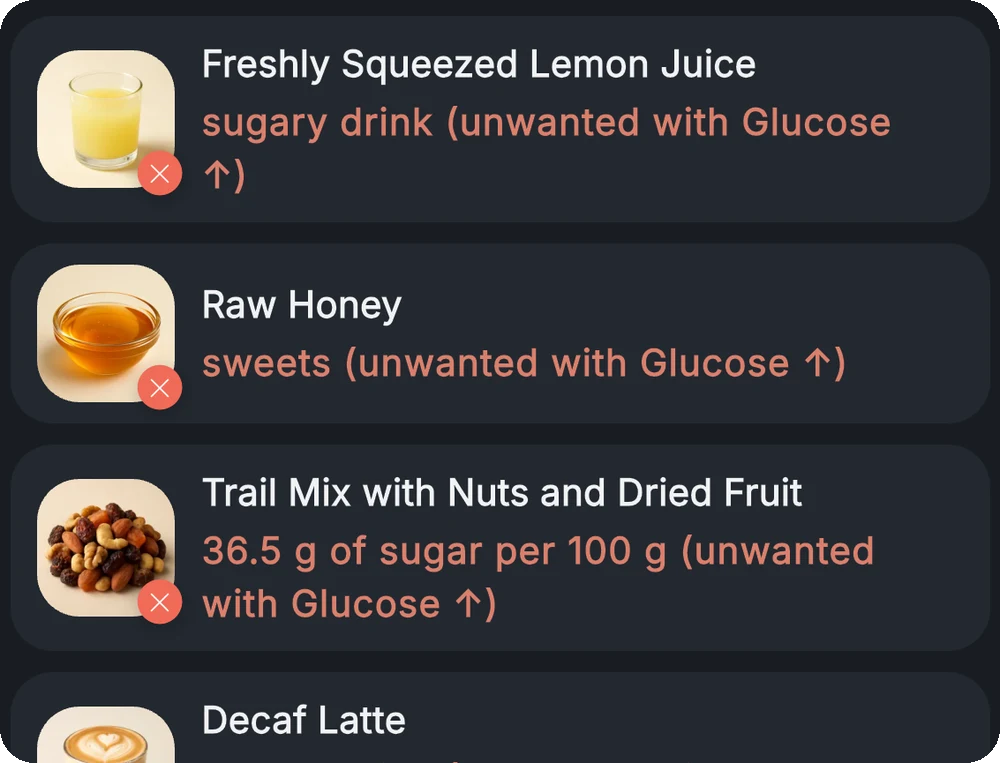
- Check whether your sweetener-containing foods are also ultra-processed
- Notice if sweet foods in general make you want more sweet things later
- Add one fermented food to your daily routine to support gut bacteria
- Read ingredient lists, not just front-of-pack claims
- If you're cutting sweeteners, do it gradually to let your palate adjust
- Track your actual calorie intake for a week to see if sweeteners are helping or if appetite is compensating
Questions people ask
Do artificial sweeteners spike insulin?⌄
The evidence is mixed and depends on the sweetener. Some studies show a small insulin response to sweet taste even without calories, through a mechanism called cephalic phase insulin release. The effect is generally modest, but it's one reason the "zero calories means zero metabolic effect" assumption isn't quite right.
Which artificial sweetener is safest?⌄
All major sweeteners approved for food use have passed safety reviews, and none are shown to be dangerous at normal consumption levels. The more useful question is probably which ones affect your appetite and gut bacteria least, and that varies by individual.
Can sweeteners cause weight gain?⌄
Sweeteners themselves don't add calories, so they can't directly cause weight gain. But they may increase appetite or sweet cravings in some people, which can lead to eating more overall. The research is genuinely mixed on this.
Is stevia better than other sweeteners?⌄
Stevia is plant-derived and has a cleaner research profile than some older synthetic sweeteners. Some studies suggest it may have a gentler effect on gut bacteria. That said, it still maintains a high level of sweetness in your diet, which has its own effects on cravings.
How long does it take to reduce sweet cravings?⌄
Most people notice a shift in their sweet preference within two to four weeks of reducing overall sweetness in their diet. It's not instant, but it's also not as painful as it sounds if you do it gradually.

Author
Tania, nutritionist
Tania is a nutritionist who runs the «Zru & Hudnu» weight-loss marathons and co-created the app. She writes the calm nutrition blog without crash diets.
About the author →
Track what's actually in your food
Zru & Hudnu shows you your full nutritional picture, not just calories, so you can make informed choices without second-guessing every label. Start for free.
Keep reading