In this article⌄
- How gut microbiome affects calorie absorption
- How gut bacteria influence appetite and food cravings
- What 'fibermaxxing' actually means for gut health and weight
- Fermented foods vs. probiotic supplements: what the evidence says
- How to track fiber and food variety without obsessing over it
- The honest answer: how much does the microbiome actually matter for weight?
You've probably seen the headlines: "Fix your gut, fix your weight." Probiotic supplements promise to reshape your microbiome, and suddenly every wellness brand has a fermented something to sell you. The science underneath all this is genuinely interesting, but it's also a lot more nuanced than a capsule can fix.
So let's slow down. Does the gut microbiome actually affect weight loss? Yes, in real and measurable ways. But the levers you can pull are mostly about what you eat day to day, not which supplement you buy. Here's what the research actually says, and what that means for your plate.
In short
- Gut bacteria influence how many calories you extract from food, but the difference is modest, not a magic explanation for weight struggles.
- Fiber is the most evidence-backed way to support a diverse, weight-friendly microbiome.
- Eating 30 or more different plant foods per week is a practical target that most people can work toward gradually.
- Fermented foods like yogurt, kefir, and sauerkraut add live bacteria, but they work best as part of a fiber-rich diet, not as a standalone fix.
- Probiotic supplements have limited evidence for weight loss specifically; food-based approaches are more reliable and much cheaper.
How gut microbiome affects calorie absorption
Your gut is home to trillions of bacteria, and they don't just sit there. They help break down food your own digestive enzymes can't handle, particularly certain fibers and complex carbohydrates. In doing so, they produce short-chain fatty acids, which your body can absorb as energy.
This means that two people eating the same meal can absorb a different number of calories from it, depending on the composition of their gut bacteria. Studies comparing people with different microbiome profiles have found real differences in energy extraction, though the magnitude tends to be in the range of tens of calories per day, not hundreds.
Your microbiome doesn't rewrite the laws of energy balance, but it does sit at the table.
The practical takeaway here is that calorie counts on food labels are averages, not precise individual values. Your actual absorption varies. This is one reason why two people on the same diet can have different results, and it's a real phenomenon, just not a dramatic one.
How gut bacteria influence appetite and food cravings
Beyond calories, gut bacteria influence hunger and satiety through several pathways. They communicate with the brain via the gut-brain axis, affecting the release of hormones like GLP-1 and peptide YY, both of which signal fullness. A microbiome with more diverse, fiber-fermenting bacteria tends to support stronger satiety signals.
There's also emerging research suggesting that certain bacterial populations may influence cravings for specific foods. The mechanism isn't fully understood yet, but the idea is that bacteria that thrive on sugar may send signals that nudge you toward more sugar. This is early science, so it's worth knowing about without over-interpreting it.

Short-chain fatty acids produced during fiber fermentation also directly suppress appetite. Butyrate, propionate, and acetate, the main ones, have been shown to slow gastric emptying and reduce hunger signals. This is one concrete reason why high-fiber meals tend to keep you fuller for longer.
Log a day in Zru & Hudnu and see where your calories really go
Try it freeWhat 'fibermaxxing' actually means for gut health and weight
"Fibermaxxing" is the internet's name for deliberately maximizing fiber intake, and while the term is new, the underlying idea is solid. Fiber is the primary food source for beneficial gut bacteria. Without enough of it, those bacterial populations shrink, and the microbiome becomes less diverse.
Diversity matters because different bacterial species do different jobs. A less diverse microbiome is associated with higher rates of obesity, metabolic issues, and inflammation. More diversity tends to correlate with better metabolic health, though correlation isn't the same as cause and effect.
30+
different plant foods per week as a diversity target
25-30g
of fiber per day, a common general guideline
2-3
servings of fermented foods daily in microbiome-supportive diets
The 30 plants per week target comes from large microbiome studies and refers to all plant foods: vegetables, fruits, legumes, whole grains, nuts, seeds, herbs, and spices. A pinch of cumin counts. An apple counts. The point is variety, not volume.
Low-diversity diet
- Same 5-6 foods most days
- Mostly refined grains and processed foods
- Little fermented food
- Fiber mostly from one or two sources
Microbiome-friendly diet
- 30+ different plant foods per week
- Whole grains, legumes, varied vegetables
- Yogurt, kefir, or fermented vegetables regularly
- Fiber from many different plant families
Fermented foods vs. probiotic supplements: what the evidence says
Fermented foods, yogurt, kefir, kimchi, sauerkraut, miso, contain live bacteria that can temporarily join your gut community. Research suggests they contribute to microbiome diversity and reduce markers of inflammation, especially when eaten regularly alongside a fiber-rich diet.
Probiotic supplements are a different story. Most contain a handful of bacterial strains at high doses, but the evidence that specific strains reliably improve weight loss in healthy adults is thin. The bacteria in supplements often don't colonize the gut long-term; they pass through. That doesn't make them useless, but it does mean they're not the shortcut they're marketed as.

- Yogurt (live cultures, plain is best)
- Kefir (higher bacterial diversity than yogurt)
- Sauerkraut and kimchi (also high in fiber)
- Miso (good as a soup base, not boiled)
- Kombucha (modest bacterial content, watch the sugar)
How to track fiber and food variety without obsessing over it
One practical challenge with eating for microbiome diversity is that it's hard to track variety the way you track calories. You can count plant foods per week informally, but it's easy to lose the thread. What helps is having a loose mental framework: am I eating from different food families across the day?
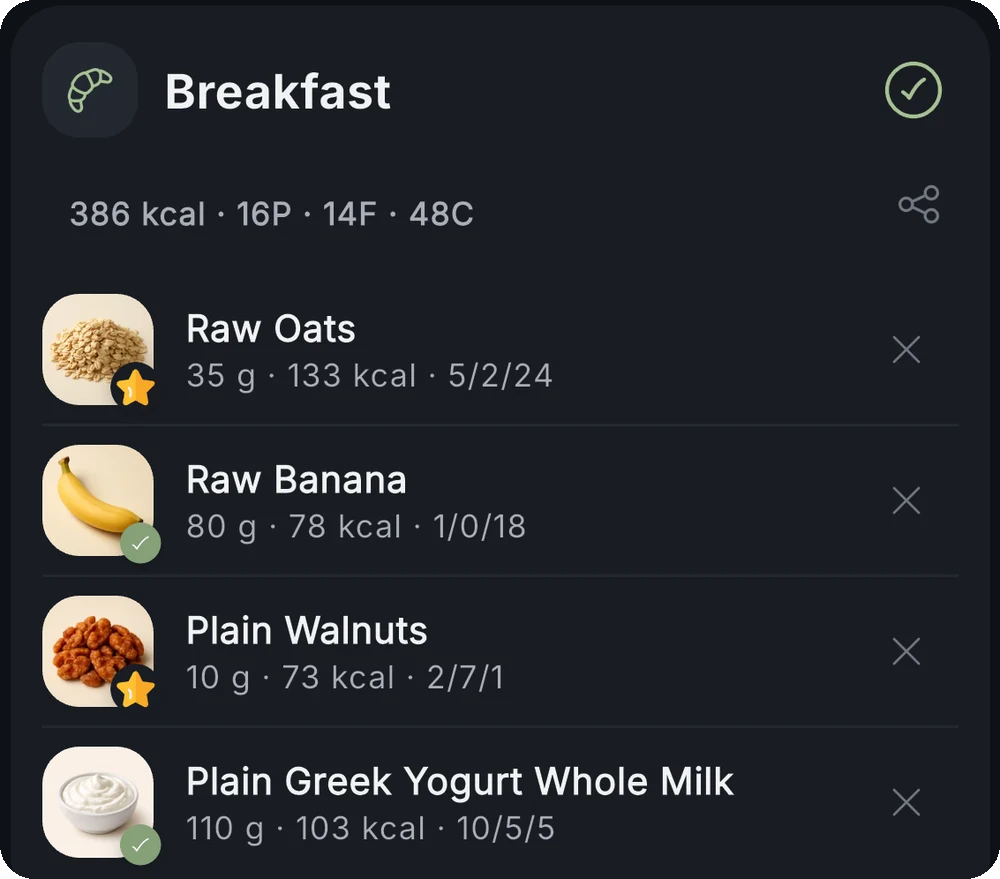
You don't need to hit a fiber target every single day to see microbiome benefits. Consistency over weeks matters more than perfection on any given Tuesday. A day with a lot of processed food doesn't undo a week of varied eating.
- Add a different vegetable to at least one meal today
- Include a legume (beans, lentils, chickpeas) at least three times this week
- Swap one refined grain for a whole grain version
- Eat a serving of plain yogurt or kefir today
- Add a new herb or spice to a meal (it counts toward your 30 plants)
- Check if your last three dinners used the same base ingredients
The honest answer: how much does the microbiome actually matter for weight?
The gut microbiome is a real factor in weight regulation, but it's one factor among many. It doesn't override a sustained calorie surplus, and it doesn't explain why some people seem to "eat anything and not gain weight." The science is moving fast, and some of what we think we know now will be revised.
What the current evidence does support clearly is this: eating a varied, fiber-rich diet is good for your microbiome, and a healthier microbiome supports better appetite regulation and metabolic health. That's a solid enough reason to eat more plants, even before we have all the mechanistic details figured out.

The good news is that the dietary changes that support your microbiome, more fiber, more variety, more fermented foods, are also independently good for satiety, blood sugar stability, and overall health. You don't need to wait for the science to be complete to benefit from them.
Questions people ask
Does gut microbiome affect weight loss?⌄
Yes, but modestly. Gut bacteria influence how many calories you absorb from food and how strong your satiety signals are. The effect is real but not large enough to override a sustained calorie surplus or deficit. It's one factor, not a magic switch.
How does gut microbiome affect calorie absorption?⌄
Gut bacteria ferment fibers and complex carbohydrates that your own digestive enzymes can't break down, producing short-chain fatty acids that you absorb as energy. Different bacterial profiles extract slightly different amounts of calories from the same food. The difference is typically small, in the range of tens of calories per day.
What are the benefits of fibermaxxing for gut health and weight loss?⌄
Eating a wide variety of fiber-rich plant foods feeds diverse gut bacteria, which produce compounds that support satiety and metabolic health. Aiming for 30 different plant foods per week is a practical target backed by microbiome research. It also tends to naturally reduce ultra-processed food intake.
Should I take probiotic supplements for weight loss?⌄
The evidence for probiotic supplements specifically improving weight loss in healthy adults is not strong. Fermented foods like yogurt and kefir eaten regularly alongside a fiber-rich diet have better research support. Save the supplement money for more vegetables.
How quickly can diet change the gut microbiome?⌄
Microbiome composition can shift within days of a significant dietary change. But meaningful, lasting changes in bacterial populations take weeks of consistent eating. Short-term experiments don't tell you much; the pattern over months is what matters.

Author
Tania, nutritionist
Tania is a nutritionist who runs the «Zru & Hudnu» weight-loss marathons and co-created the app. She writes the calm nutrition blog without crash diets.
About the author →
Track what you eat, see what's missing
Zru & Hudnu logs your meals and shows your weekly macro and food patterns, so you can spot where variety is thin and where fiber is low. Free to start, no pressure.
Keep reading