In this article⌄
- Why the old 0.8 g/kg recommendation is no longer enough
- How much protein do you actually need per day: real numbers
- Protein for weight loss: why it protects your muscle
- Best everyday protein sources: no supplements needed
- How to track your protein without turning it into a second job
- Special considerations: aging, activity level, and plant-based diets
If you've ever looked up how much protein you need and landed on 0.8 g per kg of body weight, you've met the old RDA. That number was designed to prevent deficiency in a sedentary young adult, not to help a 45-year-old maintain muscle while losing weight. The conversation has shifted.
In 2026, the emerging consensus among nutrition researchers points higher, especially for adults over 40, people in a calorie deficit, and anyone who wants to stay strong as they age. This article breaks down the updated thinking calmly, with real numbers and no supplement pitch at the end.
In short
- Aim for at least 1.2 g of protein per kg of body weight per day if you're over 40 or in a calorie deficit.
- Spreading protein across 3 to 4 meals helps your body use it more effectively than one large dose.
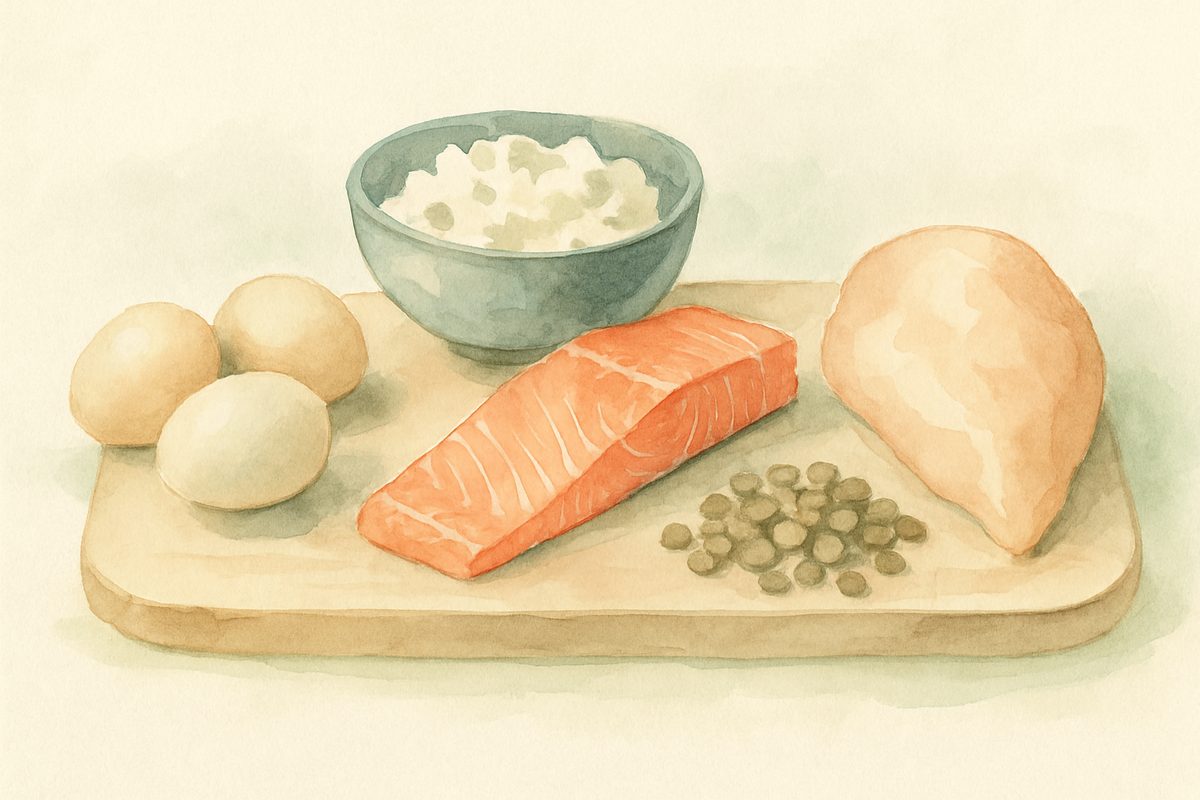
- You can hit a solid protein target with everyday foods: eggs, cottage cheese, legumes, fish, and chicken.
- Protein keeps you fuller longer, which makes eating at a calorie deficit easier without feeling deprived.
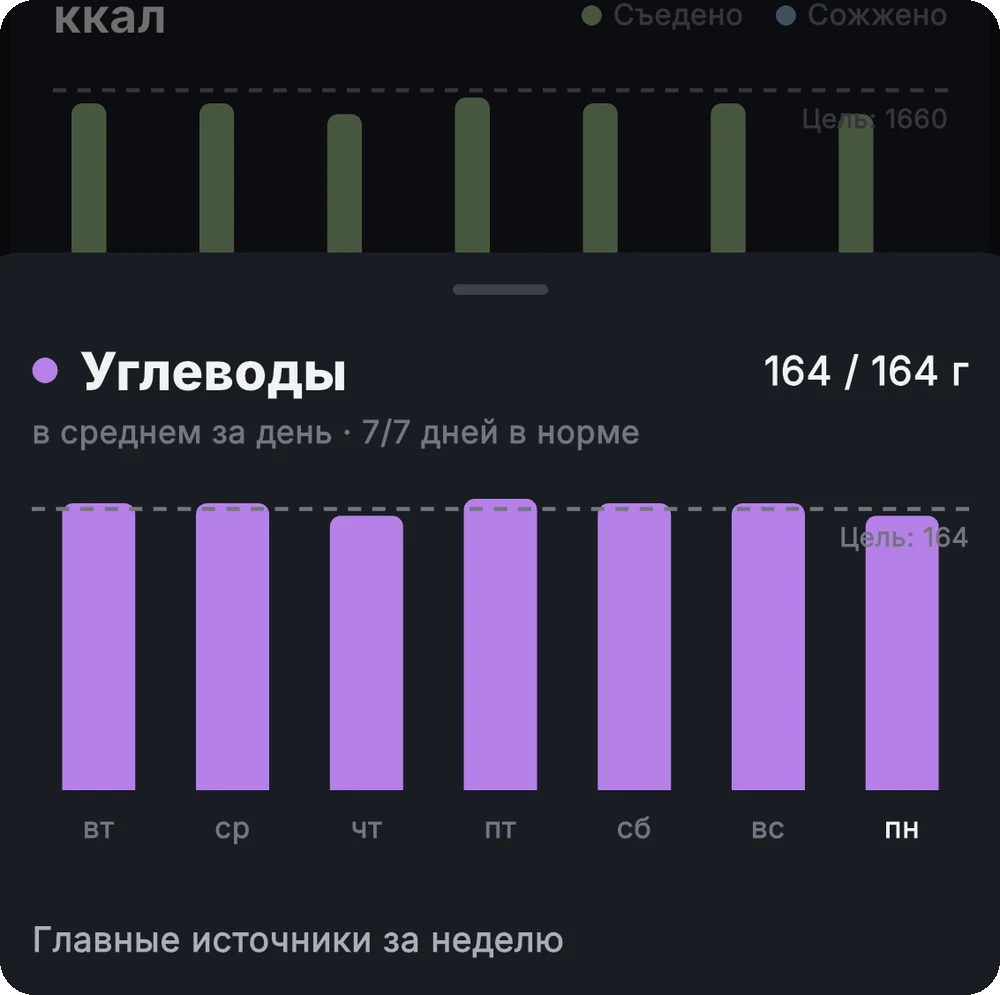
- Tracking your protein for even two weeks shows you where the gaps are and which meals need a small adjustment.
Why the old 0.8 g/kg recommendation is no longer enough
The 0.8 g per kg figure comes from studies designed to find the minimum amount needed to avoid muscle loss in young, healthy, sedentary people. It was never meant to be a target for optimal health. Think of it as the floor, not the ceiling.
After 40, the body becomes less efficient at turning dietary protein into new muscle tissue. This is sometimes called anabolic resistance: you need more protein to get the same muscle-building signal that a 25-year-old gets from less. On top of that, if you're eating at a calorie deficit, some of the protein you eat gets burned for energy instead of used for repair.
Old RDA thinking
- 0.8 g per kg body weight
- Designed to prevent deficiency
- Based on young sedentary adults
- One-size-fits-all
Updated 2026 guidance
- 1.2 to 1.6 g per kg body weight
- Designed to support muscle and aging
- Accounts for age and calorie deficit
- Higher end for active adults over 40
None of this means you need to panic or start drinking protein shakes. It means the practical target is a bit higher than you might have thought, and it's worth knowing what that looks like on a plate.
How much protein do you actually need per day: real numbers
1.2 g
per kg body weight: sensible minimum for adults over 40
1.6 g
per kg body weight: good target if you're active or in a deficit
4 kcal
per gram of protein (same as carbohydrates)
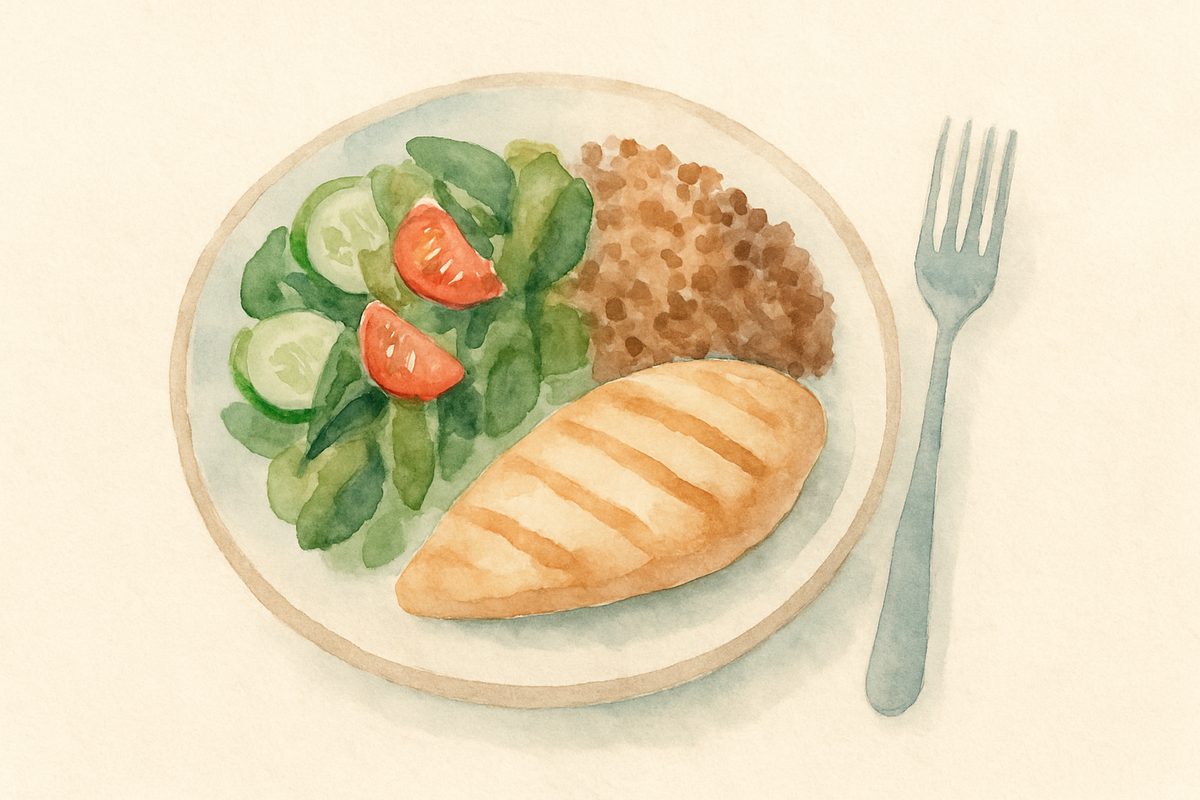
For a 70 kg person, 1.2 g/kg means 84 g of protein per day, and 1.6 g/kg means 112 g. Those numbers sound large until you see them broken into meals. A breakfast with two eggs and cottage cheese, a lunch with chicken and lentils, and a dinner with fish and yogurt can get you there without any powder.
| Body weight | 1.2 g/kg target | 1.6 g/kg target |
|---|---|---|
| 60 kg | 72 g/day | 96 g/day |
| 70 kg | 84 g/day | 112 g/day |
| 80 kg | 96 g/day | 128 g/day |
| 90 kg | 108 g/day | 144 g/day |
Log a day in Zru & Hudnu and see where your calories really go
Try it freeProtein for weight loss: why it protects your muscle
When you eat less than you burn, your body needs to decide what to break down for energy. Higher protein intake tells the body to spare muscle and target fat instead. This is one of the most consistent findings in nutrition research, and it's especially relevant after 40 when muscle loss from dieting can be hard to reverse.
Eating enough protein isn't about building a physique. It's about keeping the body you already have while losing the fat you don't want.
Protein also has a higher thermic effect than fat or carbohydrates: your body burns more calories digesting it. And it's the most satiating macronutrient, meaning a meal with adequate protein keeps you full longer. Both effects make a calorie deficit easier to sustain.
Best everyday protein sources: no supplements needed
The foods highest in protein per calorie are also some of the most affordable and versatile: eggs, cottage cheese, Greek yogurt, chicken breast, canned tuna, salmon, lentils, and edamame. You don't need a special diet or expensive protein powders to reach 100 to 130 g a day.
- 2 large eggs: ~12 g protein, ~140 kcal
- 150 g cottage cheese (low-fat): ~18 g protein, ~100 kcal
- 150 g chicken breast (cooked): ~35 g protein, ~165 kcal
- 100 g canned tuna in water: ~23 g protein, ~100 kcal
- 200 g cooked lentils: ~18 g protein, ~230 kcal
- 150 g Greek yogurt (plain): ~15 g protein, ~90 kcal
Combining animal and plant sources across the day gives you a complete amino acid profile without overthinking it. Lentils at lunch and chicken at dinner, with eggs at breakfast, covers the full spectrum.
How to track your protein without turning it into a second job
Most people who start tracking protein discover the same thing: breakfast is the weak link. A bowl of oats with no protein source, or toast with jam, leaves a gap that's hard to close by dinner. Once you see the pattern, fixing it is simple.

- 1
Set your protein target
Use 1.2 to 1.6 g per kg of body weight as your daily goal. If you're unsure, start with 1.2 g and adjust after two weeks.
- 2
Log for two weeks
You don't need to track forever. Two weeks shows you your patterns and which meals are consistently low in protein.
- 3
Fix the weakest meal first
Usually breakfast. Add eggs, cottage cheese, or Greek yogurt. One change can add 15 to 20 g to your daily total.
- 4
Check the weekly view
Look at which foods contribute most of your protein. If it's only chicken, add variety to cover more amino acids.
Special considerations: aging, activity level, and plant-based diets
After 60, the case for higher protein gets stronger. Sarcopenia, the gradual loss of muscle mass with age, accelerates in the sixth decade and beyond. Adequate protein combined with any form of resistance activity is the most effective way to slow it. Even walking with a weighted backpack counts.
If you eat mostly plant-based, you can still hit your targets, but it takes more planning. Plant proteins are generally less bioavailable than animal proteins, which is why some researchers suggest plant-based eaters aim for the higher end of the range, around 1.6 g/kg. Tofu, tempeh, edamame, lentils, and seitan are your best tools.
- Know your target: body weight in kg multiplied by 1.2 to 1.6
- Include a protein source at every meal, not just dinner
- If plant-based, combine legumes with grains across the day
- Add resistance activity of any kind, even bodyweight exercises at home
- Track for two weeks to find your real gaps
- If over 60, consider aiming for the higher end of the range
Questions people ask
How many grams of protein per kg of body weight do I actually need?⌄
For most adults over 40, a practical target is 1.2 to 1.6 g per kg of body weight per day. The lower end suits sedentary adults, the higher end suits those in a calorie deficit or doing regular exercise.
How many calories are in 1 gram of protein?⌄
Protein provides 4 kcal per gram, the same as carbohydrates. Fat provides 9 kcal per gram. This is why high-protein foods are often more filling per calorie than high-fat foods.
Can I get enough protein without protein powder?⌄
Yes, easily. Eggs, cottage cheese, Greek yogurt, chicken, canned fish, and lentils can cover 100 to 130 g of protein per day through regular meals. Supplements are convenient but not necessary.
Does eating more protein help with weight loss?⌄
It helps in two ways: protein is the most satiating macronutrient, so you feel full longer, and it signals the body to preserve muscle while burning fat during a calorie deficit. Both effects make weight loss more sustainable.
Is too much protein bad for healthy adults?⌄
For healthy adults with normal kidney function, intakes up to 2 g per kg per day are generally considered safe. If you have any kidney or metabolic condition, check with your doctor before increasing protein significantly.

Author
Tania, nutritionist
Tania is a nutritionist who runs the «Zru & Hudnu» weight-loss marathons and co-created the app. She writes the calm nutrition blog without crash diets.
About the author →
See your protein in real time
Zru & Hudnu tracks your protein alongside calories all day and shows you exactly which foods will close the gap before bedtime. Free to start, no subscription required to try.
Keep reading